
The short answer
Before the season’s first fire, check your inspection and cleaning records, read the instructions for your fireplace, and clear stored items from around the hearth. If the service history is missing or a concern remains unresolved, arrange a professional assessment before using it. Bring the manual and earlier recommendations so the visit addresses what you need to know.
Start with the service history
Find the last inspection and cleaning records. The U.S. Fire Administration recommends professional cleaning and inspection of heating equipment and chimneys each year. If records are missing, explain that when arranging an assessment; an empty folder does not tell you the condition of the system.
Keep earlier recommendations together. A report may contain both completed work and items that still need attention. Ask what was actually resolved, which limitations remain, and whether a follow-up was recommended. This makes the next conversation more useful than relying on memory.
Use the instructions for your fireplace
Locate the manual and confirm what appliance you have. An open fireplace, an insert, and a stove do not necessarily operate in the same way. Follow the manufacturer’s operating guidance and ask a qualified professional about any part of the instructions that is unclear.
For wood-burning appliances, EPA’s archived Burn Wise guidance recommends dry, seasoned wood and advises against burning garbage, painted wood, or treated lumber. Fuel choice does not replace maintenance or local burning restrictions. Burn Wise is a historical resource; EPA stopped updating the program in 2025.
Sources: EPA: archived Burn Wise practices
Give the hearth space
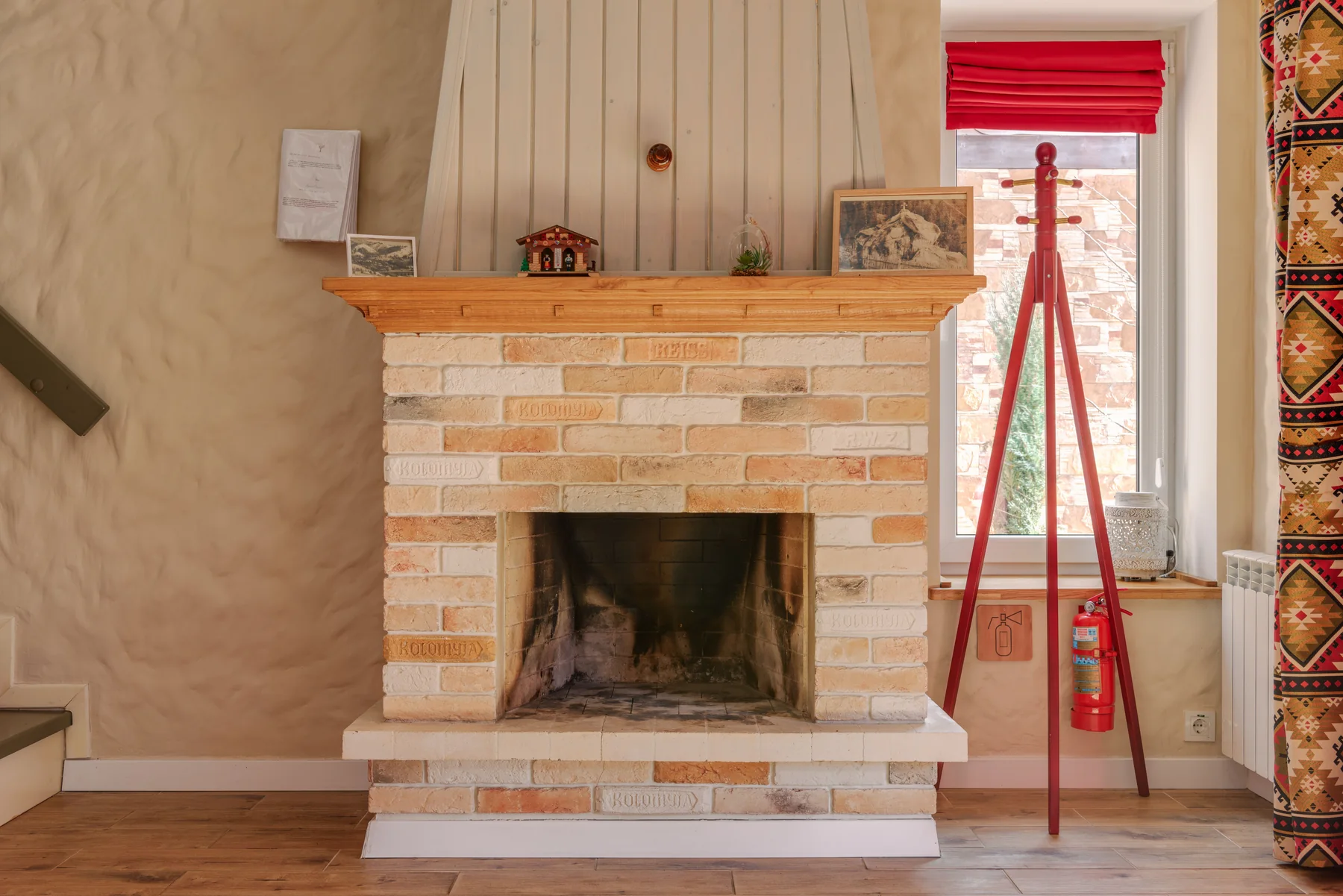
The U.S. Fire Administration advises keeping combustible items at least three feet from heat sources, including fireplaces. Look at furniture, baskets, decorations, and anything added since the last time the fireplace was used. Also follow the appliance’s specified clearances.
Choose a place for the manual and maintenance records where everyone responsible for the home can find them. A small, shared set of instructions is especially helpful after a move or renovation, when assumptions about the fireplace may differ.
Know what a CO alarm means
Carbon monoxide cannot be detected by smell. The U.S. Consumer Product Safety Commission recommends CO alarms on every level and outside sleeping areas, following installation instructions. If a CO alarm sounds, move everyone outside to fresh air and call 911. Do not re-enter until emergency responders say it is safe.
An alarm, smoke entering the room, or an unresolved concern is not a routine service-planning question. This website does not receive emergency messages. Arrange qualified evaluation before using a system whose condition is uncertain.
Sources: CPSC: carbon monoxide guidance
Make a simple pre-season folder
Keep three kinds of information together: the appliance manual, the latest service record, and notes about anything that has changed in the room or system. A phone folder is useful if the files are clearly dated; a printed copy is equally useful when it is easy to find. The point is to make the information available to the next person responsible for the fireplace.
Before arranging maintenance, write one sentence describing the purpose of the visit. “We have just moved in and do not know when this was last used” gives different context from “We have a recent report with an unresolved recommendation.” Include planned changes such as a new insert or alterations around the hearth. A small amount of preparation helps the appointment address the right questions without requiring you to diagnose the system first.
Sources & further reading
- U.S. Fire Administration — Heating fire safety (opens in a new tab)
- U.S. EPA — Best wood-burning practices (archived program) (opens in a new tab)
- U.S. CPSC — Carbon monoxide fact sheet (opens in a new tab)
Reviewed November 15, 2026. Guidance is general; check current official information and the requirements for your property.