
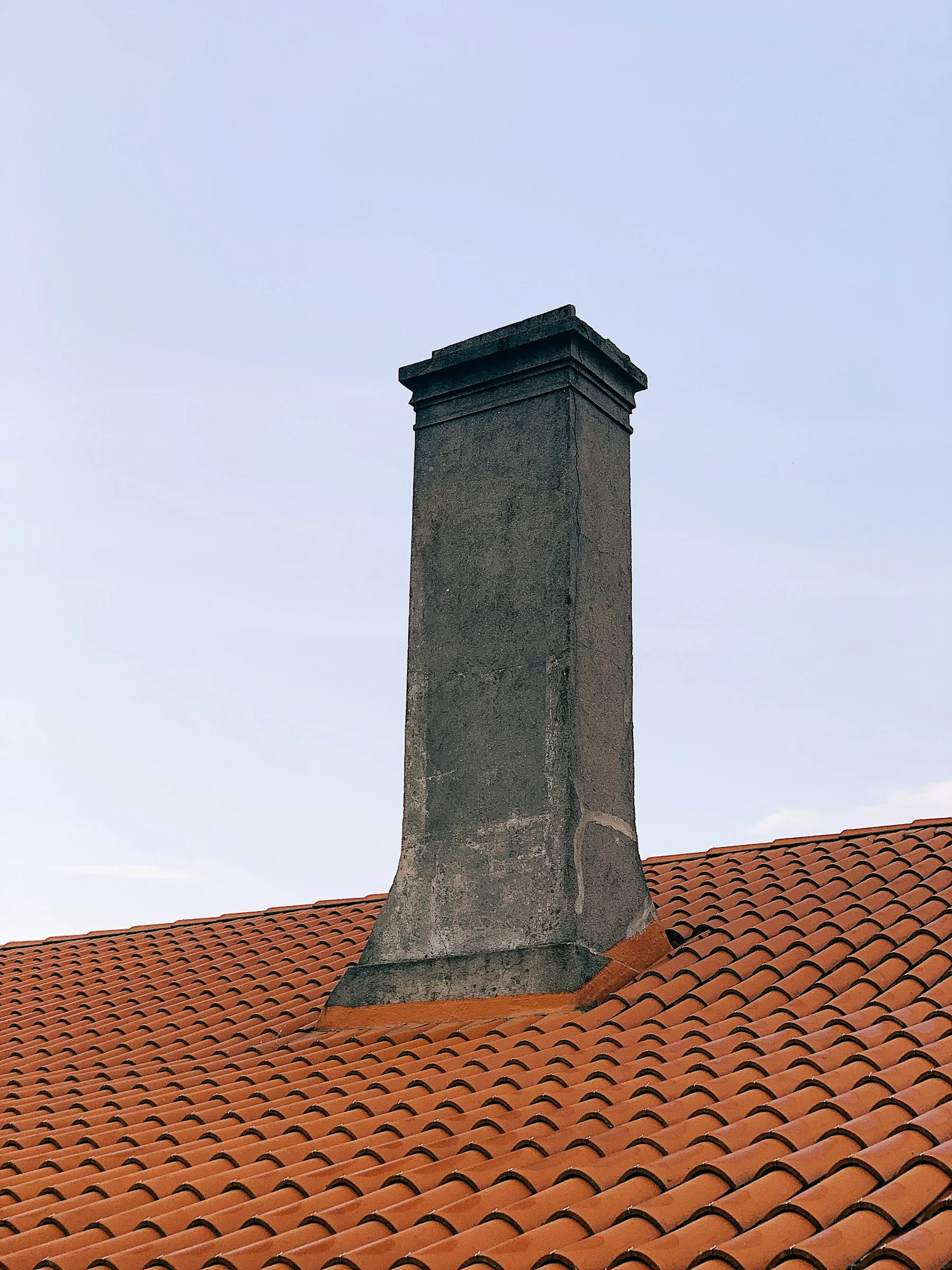
Cap, crown or chase cover?
Homeowners often use these names for the same thing, but they describe different parts. A cap sits at a chimney termination. A crown is associated with the top of a masonry chimney. A chase cover is a cover for a framed chimney enclosure. Identifying the actual assembly makes it easier to understand a recommendation and avoid ordering the wrong component.
Triple Care begins with what is installed, not a one-size-fits-all product choice. The visible shape from the ground may not reveal the appliance requirements, dimensions or attachment. A professional assessment can connect the proposed component to the chimney it is intended to serve.
Fit is part of the job
The questions go beyond the width of a cover. The existing chimney type, termination arrangement, clearances and manufacturer requirements all belong in the selection process. An attractive part is useful only when it is appropriate for that installation. Ask what information supports the proposed replacement and whether other top components require attention.
If several flues or different appliances share the visible chimney structure, describe that arrangement before a product is selected. Keep model information and earlier reports available. Do not remove a cap, climb onto the roof or measure an opening yourself to prepare for the conversation. Normal, accessible photographs can show the general concern without that extra risk.
Put the replacement in context
A cap recommendation may arise from a missing part, an inspection finding or a water concern. Each starting point calls for a clear explanation of what the replacement will address. If moisture is the concern, the top assembly should be considered alongside other possible entry routes; a new cap is not a blanket answer to every leak.
The proposal should distinguish the replacement part from any crown, cover, masonry or roof work. Ask how attachment and completion will be documented and whether the rest of the existing assembly is included in the assessment. Our component guide provides a simple vocabulary for this discussion without treating a diagram as a diagnosis.