The short answer
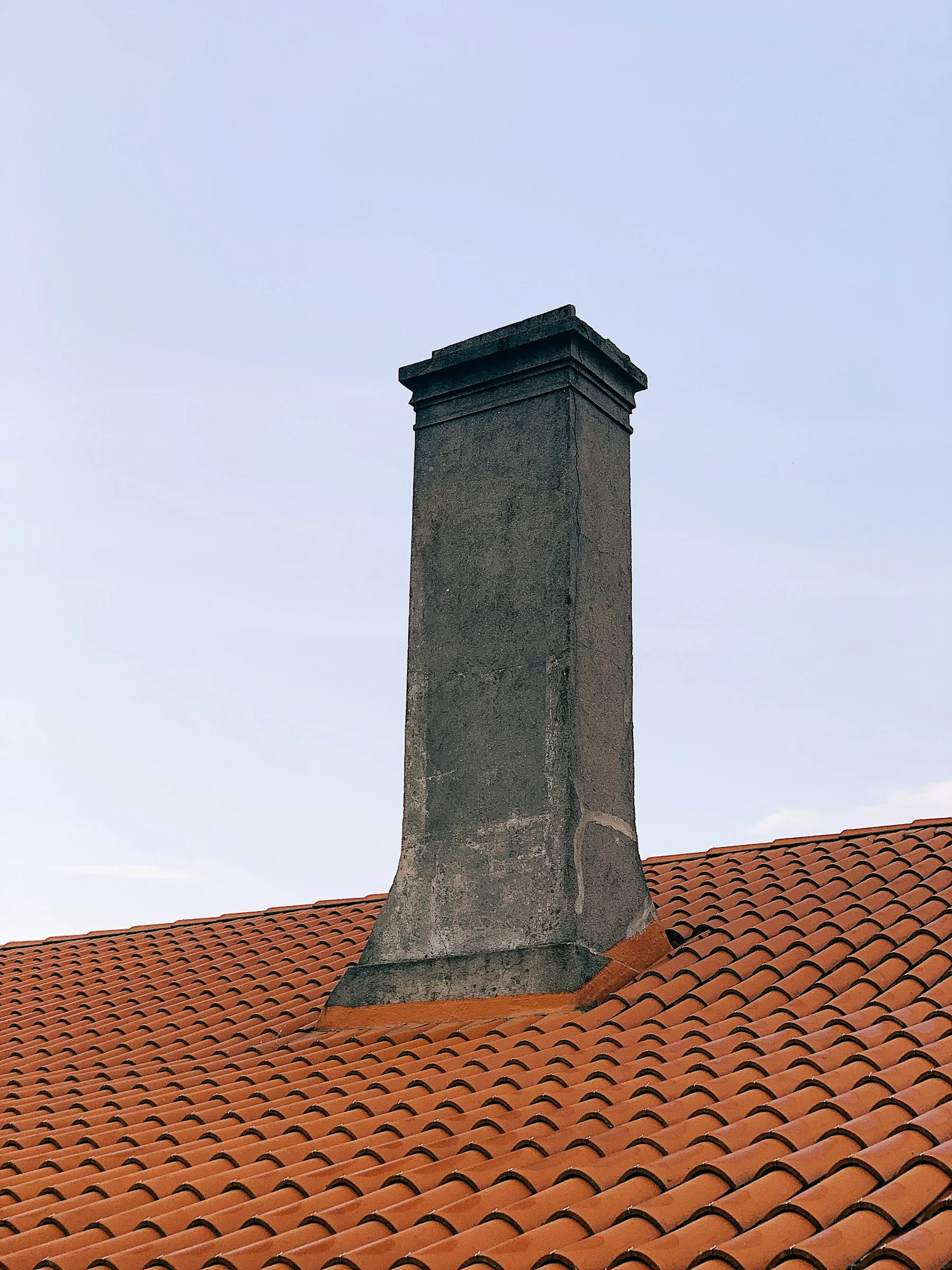
A cap sits at the chimney opening or termination. A crown is the top surface around the flue of a masonry chimney, while a chase cover closes the top of a framed enclosure. Before approving a replacement, have the professional identify the part and explain how it fits your chimney system.
Start with the assembly, not the shopping list
The chimney top belongs to the system below it. Before choosing a part, establish whether the home has a masonry chimney, a framed enclosure around a factory-built system, or another configuration. The component visible from the yard does not tell you everything about the appliance, flue arrangement or attachment.
Ask the professional to identify the part in an assessment photograph or drawing. A marked image can make a written recommendation much more useful, especially when several top components are mentioned together. You do not need to get onto the roof or take measurements to start this discussion. Accessible photographs and any appliance records are a better place to begin.
A cap is at the termination
A chimney cap is a cover associated with the chimney opening or termination. Its configuration needs to suit the system; one familiar-looking style is not automatically right for every installation. A recommendation should identify the existing arrangement and explain the basis for selecting a replacement.
Useful questions include which opening the proposed part serves, how its compatibility is established, and whether the proposal includes work on any surrounding components. These questions help define the job without turning a homeowner into a product installer. Keep the proposed part information with the completed-work record for future reference.
A crown and a chase cover are different
The crown is the top surface of a masonry chimney around the flue area. A chase cover caps a framed chimney enclosure. These terms describe different construction, so a proposal for one should not leave you expecting work on the other. Ask which existing material or component is being retained and which will be repaired or replaced.
The Chimney Safety Institute of America’s water-damage guidance discusses chimney-top protection, masonry and flashing as parts of the broader water-management picture. Its overview is a useful introduction, but it cannot identify the failed detail on a particular home. A replacement decision still depends on the actual assessment and system.
Sources: CSIA: water and chimney damage
Separate the symptom from the proposed solution
A missing cover is one observation. A stain after rain is another. They may be part of the same investigation, but the presence of both does not prove a complete explanation. Ask how the proposed work connects to the reported concern and whether other potential routes of water entry were considered.
The written scope should distinguish the cap, crown or cover from any masonry or roof work. Include the intended materials, access arrangements, finish expectations and any exclusions. If the work changes after a closer evaluation, keep that revised decision with the original proposal. Clear component names make those changes easier to understand and compare.
Keep a record you can use later
After work is complete, retain the part information, description of the work and any instructions that apply. A future inspection or roofing project may need to know what changed. A short, dated record helps the next professional connect the visible assembly with its history.
If your original concern was moisture, keep the earlier observations as well. A new component is a completed piece of work; whether the original concern has been resolved should be reviewed using the agreed follow-up. Our leak guide explains how to keep that record without trying to trace water through a building yourself.
Sources & further reading
Reviewed November 15, 2026. Guidance is general; check current official information and the requirements for your property.